Give a reviewer the draft and the material from which it was written. Ask them to mark an unsupported claim and a missing answer separately. Both can make a draft unusable, and they require different fixes. A document with correct statements may still omit the one answer its reader needs.
Suppose an internal guide must name which group approves a delivery delay, say how much notice is expected, and include the relevant form. Before reading the AI draft, write down the expected answer to each item from the official procedure. The review can then check evidence without rewarding a fluent summary that skipped the form.
Define what a passing draft does
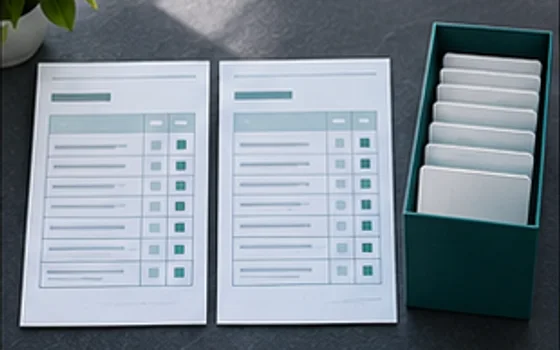
| Dimension | A clear pass |
|---|---|
| Evidence | Every consequential claim has a supporting passage or verified input. |
| Coverage | The draft answers each required part of the task. |
| Format | A reader can use the answer in the chosen channel or file. |
| Verifiability | A reviewer can find the source or important field without guessing. |
If a sentence about approval lacks support, record that failure even if the other dimensions are satisfactory. Someone can fix it by finding the right passage or keeping the answer open. If a source itself is incomplete, do not ask for a polished version of the unknown information.
NIST discusses risks of false content and information integrity. Its evaluation guidance encourages examining performance for the intended use. For a work draft, apply that by putting the reviewed claim beside the known evidence. National Institute of Standards and Technology
Give reviewers a packet with the expected answers
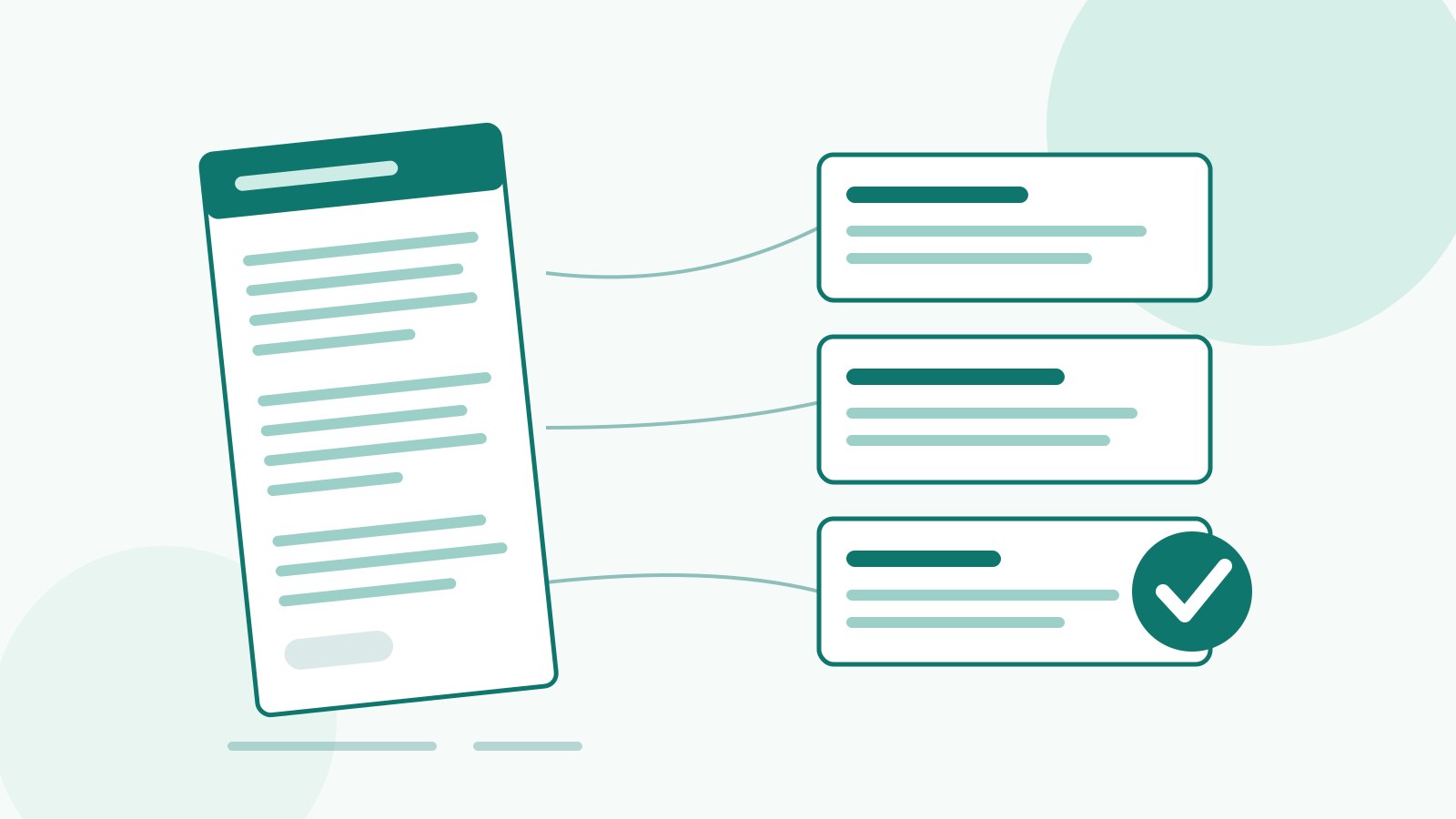
Write the task and what the reader needs to know before looking at the draft. For a sample procedure about a delivery delay, record who has authority, when the team must be informed, and where the approval appears. Put the relevant source beside each answer. Then ask the reviewer to inspect the language and find evidence in the supplied material. A person who sees the expected answers can mark both what the draft added and what it left out. Keep the exact source version with the packet so a later reviewer uses the same conditions.
Use a sample that forces the reviewer to make one distinction. A draft might correctly name the manager and omit the deadline. Mark a coverage gap even when every included fact has support. Another draft might include a deadline the source never states. Mark a failure of evidence. If both problems appear, handle the invented detail before polishing the wording. Write the unresolved question for the data owner beside the score. Give the draft back with a note naming the missing evidence and the point the reader still needs settled.
NIST’s generative AI profile describes plausible false information and measuring performance against the intended use. Let those risks inform the checks that matter for your draft. You may need only a few criteria for a small communication. Give each criterion a clear example of a pass and a failure. Note which one blocks publication if an incorrect result would change someone’s decision. National Institute of Standards and Technology
Compare two drafts with the same amount of missing information
Imagine a fictional approval note with three required subjects. One draft states two correctly and leaves the third out. A second mentions all three and guesses that the approval is automatic. The first can be returned to add the missing subject. The second needs someone to check the real approval process and remove or replace the unsupported line. A total score can give them similar results even though they require different review decisions. Put the important failures in separate rows and let the person who owns publication see them.
Ask two reviewers to look at one case independently. If one marks an error and another calls it an omission, ask them to describe what the draft says and what the source supports. Both could be correct if a missing condition changes the sentence’s meaning. For example, the draft may call for approval from a manager and omit that the requirement applies only after a particular deadline. There may be an accurate sentence for a narrower group. Use the check to agree how to record that problem next time. A rubric works better when several people can recognize the same kind of failure from a real example.
Name which errors must be resolved before sharing
Decide who can act on each issue. A spelling or minor formatting issue might go to the author. An unverified price should go to someone who can check it. An uncertain legal or policy condition requires an appropriate authority. If the team needs to circulate a file for discussion, mark the open part so nobody treats it as instructions. Use the confirmed version for the audience that will act on it. A shared document should show which claims have been checked and when reviewers still expect an answer.
The UK government’s AI playbook discusses human oversight and testing the use of outputs. You can apply that principle by naming an approval owner and a condition for returning a draft. If the material contains conflicting advice, document which rule the authorized person selected and why. When the same draft changes again, check which conditions or recipients moved. A prior review may still support an unchanged fact while a new approval is required for anything with a different consequence. GOV.UK
After the team uses the rubric, keep one reviewed example showing where it found a substantive problem. Add another when people consistently disagree about a type of error. The examples can help a new reviewer choose the right response before an unsupported instruction reaches the reader.
Set a boundary for publication
The UK government playbook describes oversight and the need to review how AI outputs are used. Name the person who can release the draft and which failures require their attention. A draft might be clear enough for an internal discussion with one open item. An external instruction may need every consequential item resolved. GOV.UK
Check whether two reviewers apply the criteria the same way on one example. If they disagree because one did not have the source, fix the review packet. If they disagree about a requirement, resolve that before revising the prompt. Save a reviewed example that helps the next person apply the same checks.
Apply this score to a fixed test set before using it to compare two tools.