When the notes for an email are messy, pick out the facts the recipient will rely on before you ask an AI tool to draft anything. Include who agreed to do what, dates with time zones, and wording that has to remain conditional. If an action has no owner, put “owner to confirm” in the notes. Carry the open status over into the draft.
Suppose a vendor needs to hear that a review happened on Monday, that the next call is proposed for Thursday, and that your team will confirm attendance on Wednesday. If the draft says the Thursday call is confirmed, the sentence changes the agreement. Put the proposed status beside the date so the person checking the draft can see that difference.
Give the draft a reference sheet
| Fact | Wording to preserve |
|---|---|
| Review | Completed Monday |
| Next call | Proposed for Thursday at 14:00 UTC |
| Attendance | Team will confirm by Wednesday |
| Revised price | Awaiting approval |
Ask for two short paragraphs using these facts. Tell the tool to put “[confirm]” where a needed detail is missing. Keep the original notes visible during review. A template with fewer facts can also keep you from sending sensitive material to a tool that isn’t approved to receive it.
NIST’s generative AI profile describes confabulation, where a system presents incorrect content in a convincing form. A polished email can include an invented date or an unwarranted promise. Set up the review as a comparison against the facts, sentence by sentence. National Institute of Standards and Technology
Build a set of notes someone else could check
Read through the rough notes for anything the recipient will use to plan. Find the proposed deadline, who can confirm it, and whether the team has promised an action. If several people used different words for the same date, open the current calendar or project record. Write the absolute date and zone beside the wording you plan to use. “Following Thursday” can mean the next day or the next week depending on when a person reads the mail. Record what you know before handing the material to a drafting tool.
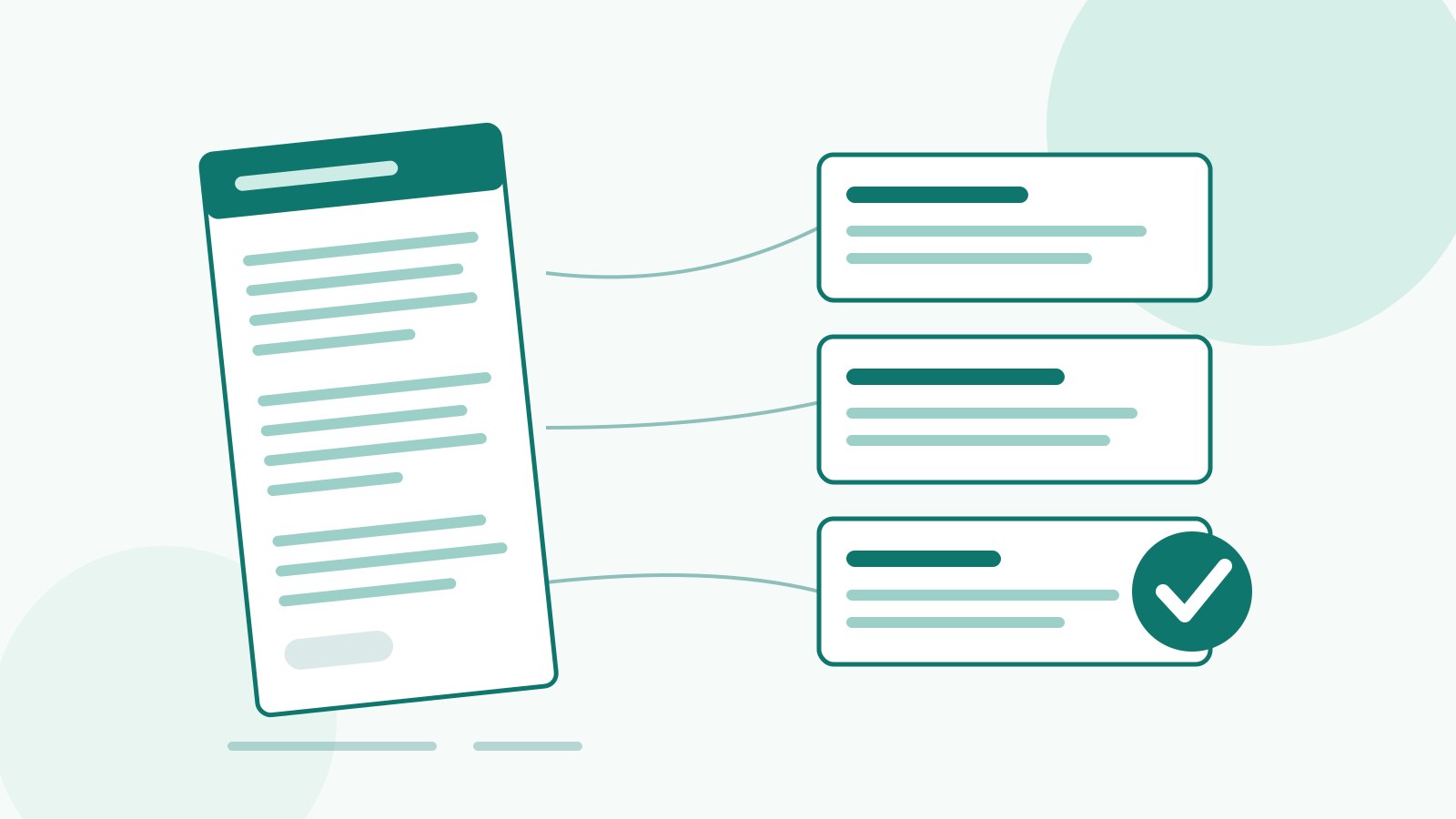
Suppose a note says “Thursday likely, still checking, approved numbers in folder.” Split it into three decisions. The meeting is a proposal that needs the vendor’s reply. Your team’s attendance still needs confirmation. A figure could be used only after you find which approved file the note refers to. Ask the tool to produce wording for the items with a clear source and show any unresolved input. The author may choose to send the scheduling question separately from a later message about the numbers. That decision stays with the people who know what they can share and promise.
NIST’s generative AI profile discusses confabulation and information integrity. A model has no independent authority to decide which of your notes governs a real appointment. Give the reviewer a source for each consequential item. Keep enough of the language to show whether it was a proposal or a commitment. A note that only says “approved” can be ambiguous when price, timing, and participation were all discussed. Record who agreed and what they agreed to. National Institute of Standards and Technology
Choose what the recipient actually needs to answer
For an invented vendor email, the buyer wants a reply about one proposed appointment. A short draft might read “Could you join us on Thursday at 14:00 UTC to discuss the test? We will confirm our attendees by Wednesday. The revised price is still with our team for review.” Check the calendar for the proposed meeting and the internal approval record for the price. If you realize the recipient needs the exact Thursday date, insert it from the calendar and check the wording again. An extra note about who disagreed internally could be unnecessary for this audience.
When requesting a rewrite, state which parts the model can change, such as length, formality, and sentence order. List the values and conditions you want preserved. A friendly version can still use “could you join” for a proposal and “we will confirm” for an action already agreed. Before using the new version, compare those verbs and amounts with your source sheet. Check pronouns when several people are involved. “We’ll send it Wednesday” may imply that your team owns the price decision even when a different team does.
Check the email in the form the recipient will get
Review the draft with the subject, actual recipients, and the right attachment. Suppose an internal note lists a name the vendor does not need to see. Remove that detail before sending and check that the approved attachment does not contain another unrelated page or hidden information. Get permission to share it through the route your team uses. If the message includes a link, verify that the recipient is allowed to open the correct version. A draft in the tool is separate from the copy that will go out through your account.
The UK government AI playbook discusses checking outputs and arranging human oversight appropriate to the use. A team can apply that principle by identifying who confirms deadlines, who approves external wording where required, and what to do if a fact is still missing. A reviewer should be able to point to an authorized note, calendar entry, or person who verified it. Save that short record with the draft in the approved workspace if the team needs to refer to it later. GOV.UK
If a final edit arrives just before you send, inspect the changed sentence and the rest of the message for related terms. Moving a date might also change the promised reply time. Open the current meeting record one more time when the recipient needs to rely on it. Send only the version whose facts you can explain.
Decide which changes need a human answer
Highlight any sentence that offers a deadline, discount, acceptance, or decision. Find the matching line in your original notes. If a recipient needs to know something you have not decided, either ask the appropriate person or phrase the question openly. A wording tool cannot make that decision for you.
The UK government AI playbook treats human oversight and checking outputs as part of using AI responsibly in its setting. You can apply the same control at the point where the draft will leave your team. Read the subject, recipient list, and attachments from the actual compose window before sending. GOV.UK
If the email gets revised, recheck the parts that changed. A request to sound friendlier can also turn “can we confirm by Wednesday?” into “we will confirm by Wednesday.” The verbs show who has made a commitment.
If the draft will move through an automated workflow, put a reviewer before the send action.